

显示所有 23 结果


气流压力传感器XGZP6899D
- 宽范围: -100千帕…-0.5~0~0.5…700kPa(显示在压力范围示例中)
- 2.7V~5.5V电源
- 压差式
- 对于非腐蚀性气体或空气
- 校准数字信号(I2C接口)(模拟信号参考XGZP6899A)
- 温度. 有偿: 0℃~+60℃(32℉~+140℉)
- 可测量温度
- 负担得起的成本, 便于使用


数字压力传感器 XGZP6897D
- 宽范围: -100千帕…-0.5~0~0.5…200kPa(显示在压力范围示例中)
- 3.0V~5.5V电源
- 压差式
- 对于非腐蚀性气体或空气
- 校准数字信号(I2C接口)(模拟信号参考 XGZP6897A)
- 温度. 有偿: 0℃~+60℃(32℉~+140℉)
- 可测量温度
- 负担得起的成本, 便于使用


NPWT 压力传感器 XGZP6891D
- 宽范围: -100千帕…-0.5~0~0.5…100kPa(显示在压力范围示例中)
- 3.0V~5.5V电源
- 压差式
- 对于非腐蚀性气体或空气
- 校准数字信号(I2C接口)(模拟信号参考XGZP6891A)
- 温度. 有偿: 0℃~+60℃(32℉~+140℉)
- 可测量温度
- 负担得起的成本, 便于使用


充气泵压力传感器 XGZP6818D
- 宽范围: 0kPa~100kPa…2500kPa(显示在压力范围示例中)
- 可选3.0V~5.5V电源
- 绝压型
- 对于非腐蚀性气体或空气
- 校准数字信号(I2C接口)(模拟信号参考XGZP6818A)
- 多种工作方式
- 高分辨率
- 适用于潮湿介质的凝胶填充


Barometric Pressure Sensor XGZP6816D
- 宽范围: 300hPa … 1100hPa
- 1.8V~3.6V电源
- 绝压型
- 目前的消费:<80uA(单次测量在 128 OSR)
- 待机电流:<100nA (25摄氏度)
- 校准数字信号 (I2C接口)
- 绝压精度:±1hPa (8.3米)
- 相对压力精度:±0.12hPa (1米)
- 温度精度:±2℃


Tire Pressure Sensor XGZP6812D
- 宽范围: 0kPa~100kPa…5500kPa(显示在压力范围示例中)
- 1.8V~3.3V电源, 低消耗
- 绝压型
- 对于非腐蚀性气体或空气
- 校准数字信号 (I2C接口)
- 目前的消费:<80uA (单次测量在 128 OSR)
- 待机电流:<100nA (25摄氏度)
- 温度. 有偿
- 温度精度:±2℃
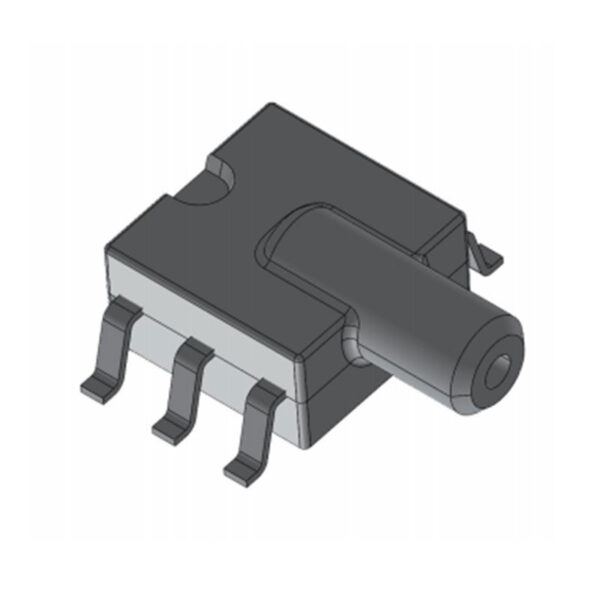
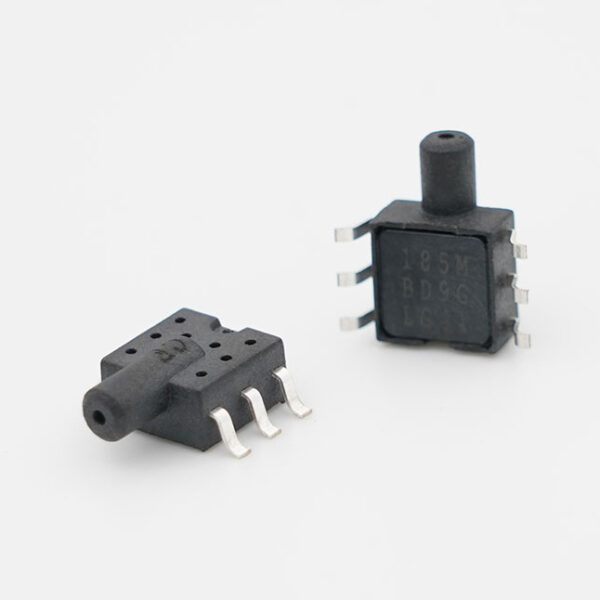
校准压力传感器 XGZP6863D
- 宽范围: -100kPa…0kPa…1000kPa(显示在压力范围示例中)
- 3.0V~5.5V电源
- 表压型(积极的&真空)
- 对于非腐蚀性气体或空气
- 校准数字信号(I2C接口)(模拟信号请参考XGZP6863A)
- 温度. 有偿: 0℃~+60℃(32℉~+140℉)
- 可测量温度
- 负担得起的成本, 便于使用


压阻式压力传感器 XGZP6847D
- 宽范围: -100kPa…0kPa…1500kPa(显示在压力范围示例中)
- 3.0V~5.5V电源
- 表压型(积极的&真空)
- 对于非腐蚀性气体或空气
- 校准数字信号(I2C接口)(模拟信号参考XGZP6847A)
- 温度. 有偿: 0℃~+60℃(32℉~+140℉)
- 可测量温度
- 负担得起的成本, 便于使用
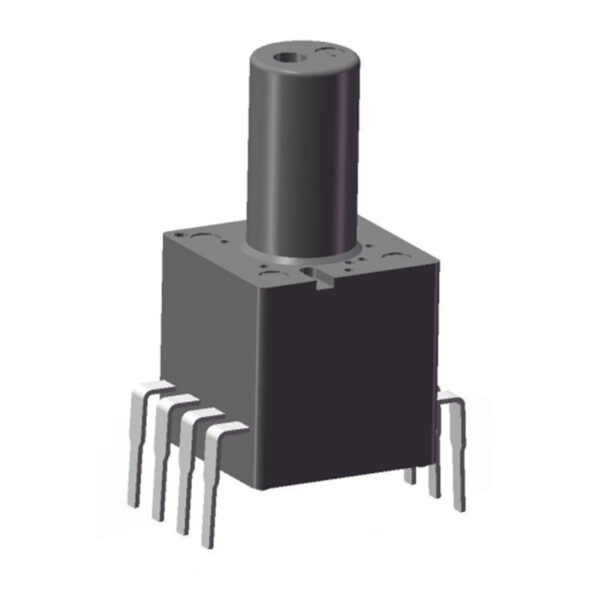
XGZP6841D洗衣机压力传感器
- 宽范围: 0~6kPa(可定制其他范围)
- 3.0V~5.5V电源
- 表压型
- 对于非腐蚀性气体或空气
- 校准数字信号(I2C接口)(模拟信号请参考XGZP6841A)
- 温度. 有偿: 0℃~+60℃(32℉~+140℉)
- 可测量温度
- 负担得起的成本, 便于使用


真空压力传感器XGZP6859D
- 宽范围: -100kPa…0kPa…1000kPa(显示在压力范围示例中)
- 3.0V~5.5V电源
- 表压型(积极的&真空)
- 对于非腐蚀性气体或空气
- 校准数字信号(I2C接口)(模拟信号参考XGZP6859A)
- 温度. 有偿: 0℃~+60℃(32℉~+140℉)
- 可测量温度
- 负担得起的成本, 便于使用


洗衣机压力传感器 XGZP6829D
- 宽范围: -100kPa…0kPa…200kPa(显示压力范围)
- 可选3.0V~5.5V电源
- 盖奇(积极的&真空) 类型
- 对于干燥的非腐蚀性气体或空气
- 校准数字信号(I2C接口)
- 温度. 有偿: 0℃~+60℃(32℉~+140℉)
- 低消耗.

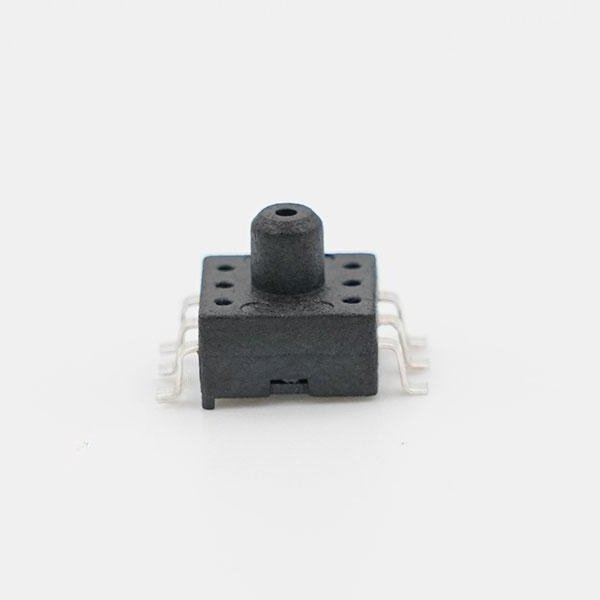
XGZP6855D汽车电子压力传感器
- 宽范围: -100kPa…0kPa…1000kPa(显示在压力范围示例中)
- 3.0V~5.5V电源
- 表压型(积极的&真空)
- 对于非腐蚀性气体或空气
- 校准数字信号(I2C接口)(模拟信号请参考XGZP6855A)
- 温度. 有偿: 0℃~+60℃(32℉~+140℉)
- 可测量温度
- 负担得起的成本, 便于使用
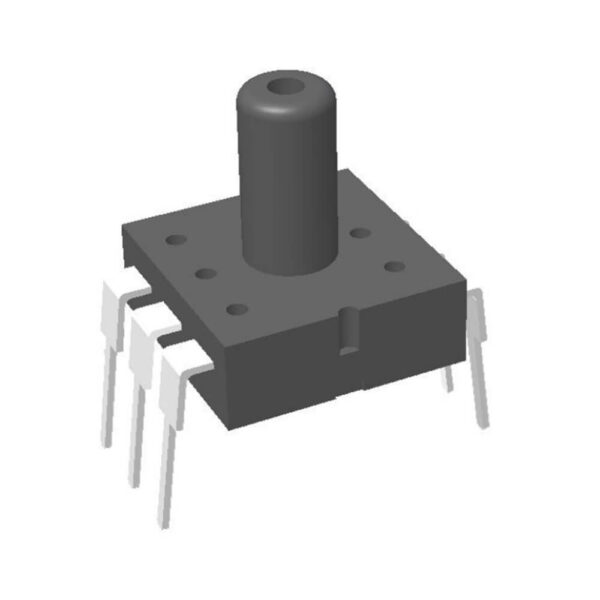

静压传感器XGZP6857D
- 宽范围: -100kPa…0kPa…1000kPa(显示在压力范围示例中)
- 3.0V~5.5V电源
- 表压型(积极的&真空)
- 对于非腐蚀性气体或空气
- 校准数字信号(I2C接口)(模拟信号参考XGZP6857A)
- 温度. 有偿: 0℃~+60℃(32℉~+140℉)
- 可测量温度
- 负担得起的成本, 便于使用


水压传感器XGZP6869D
- 宽范围: -100kPa…0kPa…700kPa(显示在压力范围示例中)
- 3.0V~5.5V电源
- 表压型(积极的&真空)
- 对于非腐蚀性气体或空气或液体
- 校准数字信号(I2C接口)(模拟信号参考XGZP6869A)
- 温度. 有偿: 0℃~+60℃(32℉~+140℉)
- 可测量温度
- 负担得起的成本, 便于使用


相对压力传感器XGZP6877D
- 宽范围: -100kPa…0kPa…1000kPa(显示在压力范围示例中)
- 3.0V~5.5V电源
- 表压型(积极的&真空)
- 对于非腐蚀性气体或空气
- 校准数字信号(I2C接口)(模拟信号参考XGZP6877A)
- 温度. 有偿: 0℃~+60℃(32℉~+140℉)
- 可测量温度
- 负担得起的成本, 便于使用


硅压力传感器XGZP6887D
- 宽范围: -100kPa…0kPa…700kPa(显示在压力范围示例中)
- 3.0V~5.5V电源
- 表压型(积极的&真空)
- 对于非腐蚀性气体或空气
- 校准数字信号(I2C接口)(模拟信号参考XGZP6887A)
- 温度. 有偿: 0℃~+60℃(32℉~+140℉)
- 可测量温度
- 负担得起的成本, 便于使用


咖啡机压力传感器 XGZP6825D
- 宽范围: 0~60PSI(显示压力范围)
- 可选1.8V~3.6V电源, 低消耗.
- 盖奇(积极的&真空) 类型
- 对于非腐蚀性气体或空气
- 校准数字信号(I2C接口)
- 温度. 有偿: 0℃~+60℃(32℉~+140℉)
- 内硅胶胶
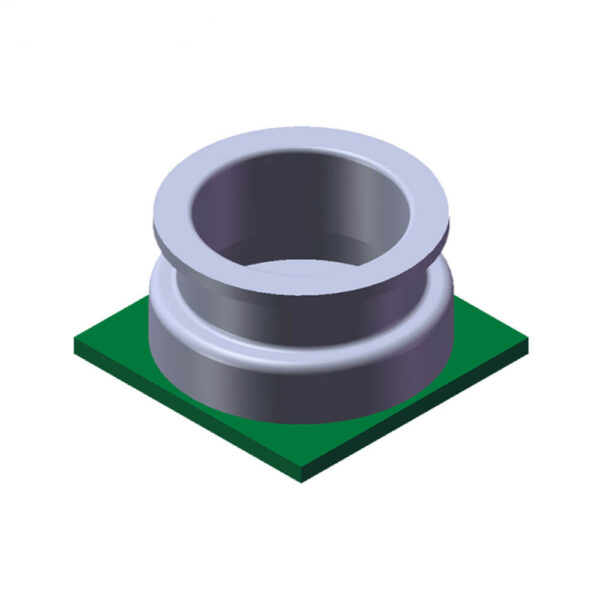

XGZP6827D压力传感器 (ABP2LAN 压力传感器替代零件)
- 宽范围: -100kPa…0kPa…200kPa(显示在压力范围示例中)
- 可选1.8V~3.6V电源, 低消耗.
- 盖奇(积极的&真空) 类型
- 对于干燥的非腐蚀性气体或空气
- 校准数字信号(I2C接口)
- 温度. 有偿: 0℃~+60℃(32℉~+140℉)
- 多种工作模式和 FIFO 可用

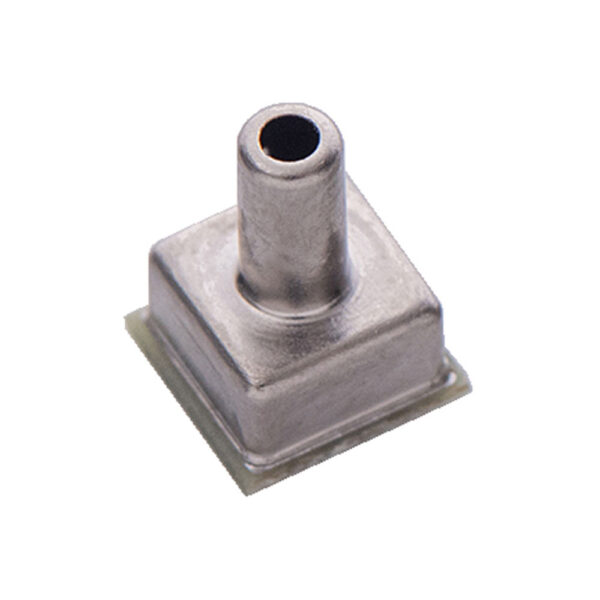
穿戴式血压传感器 XGZP6839D
- 宽范围: -100kPa…0kPa…200kPa(显示在压力范围示例中)
- 可选3.3V~5.5V电源
- 盖奇(积极的&真空) 类型
- 对于干燥的非腐蚀性气体或空气
- 校准数字信号(I2C接口)
- 温度. 有偿: 0℃~+60℃(32℉~+140℉)
- 低消耗.
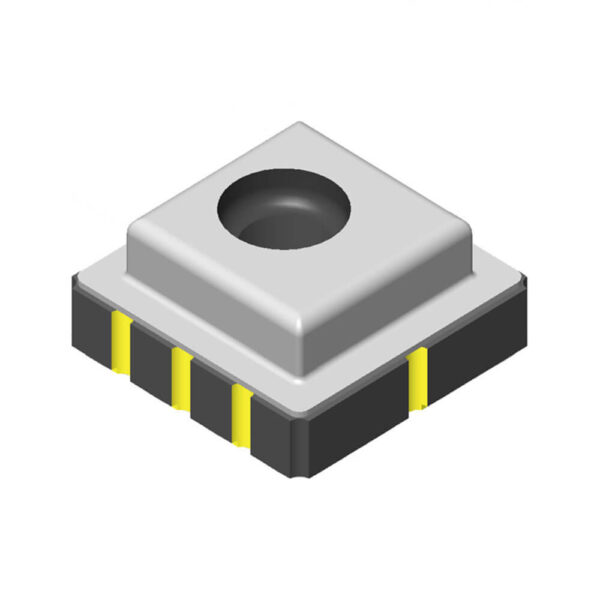

Water Level Sensor XGZP6826D
- 宽范围: 0kPa~100kPa…2500kPa(显示在压力范围示例中)
- 可选3.0V~5.5V电源
- 绝压型
- 对于非腐蚀性气体或空气或液体
- 校准数字信号(I2C接口)(模拟信号参考XGZP6826A)
- 多种工作方式
- 高分辨率
- 温度精度: ±1°C
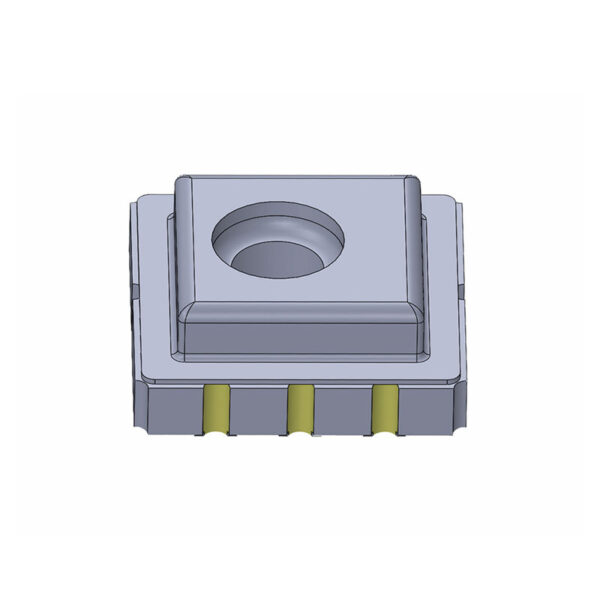

气体压力传感器XGZP6830D
- 宽范围: 0kPa~100kPa…3000kPa(显示在压力范围示例中)
- 1.8V~3.3V电源, 低消耗
- 绝压型
- 对于非腐蚀性气体或空气或液体
- 校准数字信号(I2C接口)
- 目前的消费:<80uA(单次测量在 128 OSR)
- 待机电流: 100nA (25摄氏度)
- 温度. 有偿
- 温度精度:±2℃


Water Pressure Sensor XGZP6858D
- 宽范围: 0kPa~100kPa…700kPa(显示在压力范围示例中)
- 3.0V~5.5V电源
- 绝压型
- 对于非腐蚀性气体或空气或液体
- 校准数字信号(I2C接口)(模拟信号参考XGZP6858A)
- 温度. 有偿: 0℃~+60℃(32℉~+140℉)
- 可测量温度
- 负担得起的成本, 便于使用


防水气压传感器 XGZP6808D
- 压力范围: 300hPa … 1100hPa (+9000米 … -500m 与海平面有关)
- 温度范围: -40…+85°C
- 电源电压: 1.7V … 3.6V (电源电压), 1.2V….. 3.6V (VDDIO)
- 相对精度: ±0.06hPa, 当量. 至 ±0.5 m
- 绝对准确: 典型值. ±1hPa (300百帕…1100百帕)
- 测量时间: 典型的: 28 小姐. 最低限度: 3 小姐.
- 平均电流消耗: 高精准度: 60 微安, 低电量: 3 微安, 支持: <1 微安.
- I2C接口, 嵌入式 24 位 ADC
- 先进先出: 店铺最新 32 压力或温度测量.
- 无铅, 无卤素且符合 RoHS 标准
- 防水等级: 防水等级 100 米
I2C Sensor
What is a I2C sensor?
I2C (Inter-Integrated Circuit) is a communication protocol that allows multiple devices, such as sensors, to communicate with a microcontroller through a two-wire interface.
An I2C pressure sensor is a sensor that measures pressure and communicates the measurement data to a microcontroller or other device using the I2C communication protocol. These sensors typically have a pressure sensitive element such as a diaphragm that deforms under pressure, and then converted to an electrical signal that a microcontroller can read. I2C pressure sensors can measure absolute and relative pressure and are available in various ranges and accuracy levels to suit different applications. They are commonly used in industrial automotive and medical applications and consumer devices such as smartphones and wearables.
How do I2C sensor work?
I2C sensor work by communicating with microcontrollers or other devices using the I2C communication protocol. I2C pressure sensors work by measuring pressure and communicating the measurement data to a microcontroller or other device using the I2C communication protocol.
Here is a general overview of how an I2C pressure sensor works:
A pressure sensor consists of a pressure sensitive element such as a diaphragm that deforms under pressure. This deformation is converted into an electrical signal.
The electrical signal is then processed by internal circuitry and converted into a digital signal that can be read by a microcontroller.
The microcontroller (master) sends a start signal followed by the sensor’s I2C address on the SDA (Serial Data) line.
The sensor (slave) responds with an acknowledge signal on the SDA line, indicating that it has received the address.
The microcontroller then sends a register address on the SDA line, specifying which register in the sensor it wants to read or write data from.
The sensor responds with an acknowledge signal and sends the pressure measurement data on the SDA line.
The microcontroller sends a stop signal to end the communication.
The microcontroller can then process the received data to obtain pressure measurement.
During this process, the SCL (Serial Clock) line is used to synchronize the data transfer between master and slave. The microcontroller generates a clock signal on the SCL line, which the sensor uses to sample data on the SDA line.
It’s important to note that different I2C sensor may have different requirements or changes during this process, so it’s always important to consult the I2C sensor’s datasheet before using it. 此外, different types of pressure sensors such as piezoresistive, capacitive, ETC, may have different internal mechanisms that convert pressure into electrical signals.
What is I2C pressure sensor used for?
I2C pressure sensors are used to measure pressure and communicate the measurement data to a microcontroller or other device using the I2C communication protocol. These sensors are commonly used in a variety of applications, including:
- 工业的: I2C pressure sensors can be used in industrial process control and monitoring, such as measuring the pressure of fluids and gases in pipelines and tanks.
- Automotive: I2C pressure sensors can be used in automotive systems to measure tire pressure, oil pressure, and other parameters.
- 医疗的: I2C pressure sensors can be used in medical devices such as blood pressure monitors to measure the pressure of blood in the vessels.
- Weather station: I2C pressure sensors can be used in weather station to measure atmospheric pressure.
- Smartphones: I2C pressure sensors can be used in smartphones, tablets and other mobile devices to measure atmospheric pressure for weather forecasting and altitude measurement.
- Robotics: I2C pressure sensors can be used in robotic systems to measure the pressure of fluids and gases, such as in gripper systems or in fluidic actuators.
- Aerospace: I2C pressure sensors can be used in aerospace and avionic systems to measure the pressure of fluids and gases, such as in fuel or oil systems.
In general, I2C pressure sensors are widely used in various types of applications where pressure monitoring is required. They are known for their simplicity, reliability and low power consumption.
Is I2C analog or digital?
I2C is a digital communication protocol. It uses digital signals to transfer data between devices through a two-wire interface. Two wires called SDA (Serial Data) and SCL (Serial Clock) are used to transmit digital data and synchronize communication between devices.
While the pressure sensor itself may output an analog signal, the sensor would have an internal circuit to convert the analog signal into a digital signal that can be read by the microcontroller over the I2C bus. This digital signal can be further processed by microcontroller for obtaining the pressure measurement.
How do you read an I2C sensor?
Reading an I2C sensor involves several steps that include initializing the I2C communication, specifying the register address from which to read data, and then reading the data from theI2C sensor. Here is a general overview of the process:
Initialize the I2C communication: Before communicating with the sensor, the microcontroller’s I2C peripheral must be initialized. This typically involves setting the communication speed, enabling the I2C module, and configuring the I2C pins.
Send the I2C address of the sensor: The microcontroller sends a start signal followed by the sensor’s I2C address on the SDA (Serial Data) line.
Send the register address: The microcontroller sends a register address on the SDA line, specifying which register in the sensor it wants to read data from.
Read the data: The sensor responds with an acknowledge signal and sends the pressure measurement data on the SDA line.
End the communication: The microcontroller sends a stop signal to end the communication.
Process the data: The microcontroller can then process the received data to obtain the pressure measurement.
It’s important to note that different I2C sensor may have different requirements or variations on this process, so it’s always important to consult the I2C sensor’s datasheet before using it.